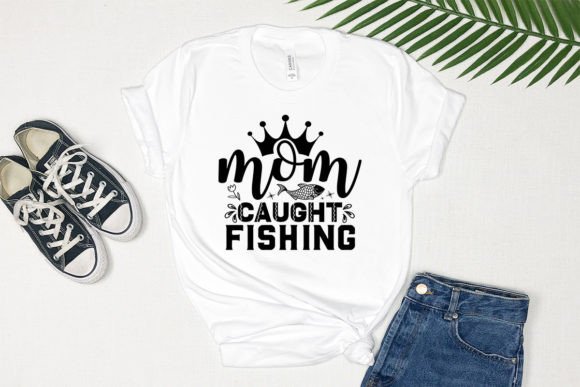
Mom Caught Fishing Graphics and T-Shirt Designs Review
When I first pulled Mom Caught Fishing into my workspace to evaluate it for a potential client project, my immediate reaction was one of cautious optimism. As a graphic designer who frequently navigates the intersection of handmade branding and commercial print-on-demand markets, I am constantly filtering through design assets to find pieces that offer genuine value beyond generic clipart. This specific asset caught my eye not just because of its subject matter, but because of the visual mood it projects. It feels like a piece that could anchor a cohesive brand identity for a boutique lifestyle label or serve as a standout element in a seasonal marketing campaign.
This is an instant digital download, NOT physical product. You can use these files with programs such as Silhouette Studio, Cricut Design Space, Corel DRAW, Inkscape, Adobe Photoshop, Adobe Illustrator, and other compatible vector or raster editing software. The versatility of the file formats suggests that this graphic design asset is intended for a wide range of applications, from intricate vinyl cuts to high-resolution sublimation prints.
First Impressions: Mood and Visual Style
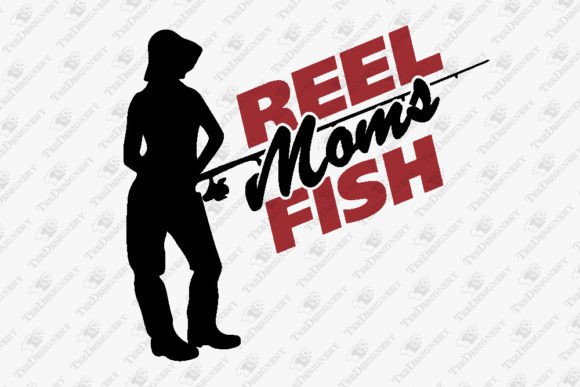
The initial visual impact of Mom Caught Fishing is warm, approachable, and distinctly nostalgic. It taps into the popular "coastal grandmother" or "rustic chic" aesthetic that has dominated social media feeds and Etsy shops for several years. The style appears to lean towards a hand-drawn or illustrative feel, which immediately signals authenticity. In a market saturated with polished, corporate-looking vectors, this asset offers a human touch that resonates well with audiences looking for connection and storytelling.
For a small business owner launching a line of apparel or home goods, this design provides an instant emotional hook. It speaks to leisure, family bonding, and the simple joys of life outside the office. The composition likely balances text and imagery in a way that is easy to digest, making it suitable for various marketing visuals. However, as any seasoned designer knows, the success of such a design relies heavily on execution. The charm lies in the details—the texture of the illustration, the weight of the typography, and the negative space surrounding the elements.
Real-World Application in Client Projects
I recently consulted for a client who runs a handmade jewelry brand targeting mothers who enjoy outdoor activities. They needed a visual concept for a Mother’s Day collection that felt personal rather than mass-produced. Mom Caught Fishing would have been a perfect fit for their brand identity extension. Here is how I see this asset performing in real design scenarios:
- T-Shirt Design and Apparel: This is perhaps the most obvious application. The design works exceptionally well as a central graphic on cotton tees, hoodies, or tank tops. When placed on earthy tones like olive green, navy blue, or heather grey, the contrast enhances the rustic vibe. For print-on-demand sellers, this is a low-risk, high-reward niche because it targets a passionate community.
- Packaging Design: Imagine this graphic printed on kraft paper tags attached to handmade candles or soaps. The illustrative style complements natural materials beautifully. It elevates the perceived value of the product by adding a layer of narrative to the unboxing experience.
- Social Media Graphics: For Etsy product listings or Instagram posts, this asset can be used as a hero image or a decorative accent in Canva templates. It helps break up text-heavy layouts and draws the eye to key messages about motherhood and hobbies.
- Sticker Design and Decals: If the file includes clean vector paths (SVG), it is ideal for die-cut stickers. These are highly shareable products on platforms like Pinterest and TikTok, serving as organic marketing tools for small businesses.
Strategic Placement and Layout Considerations
Not every design asset fits every layout, and understanding where Mom Caught Fishing thrives is crucial for maintaining professional standards. This asset performs best in large layout areas where it can breathe. It serves as a strong focal point in product mockups, particularly when centered on garments or displayed prominently on packaging.
It also works well as a supporting brand element in themed collections. For example, if you are building a "Summer Memories" bundle, this graphic can anchor the series alongside other fishing or nature-themed illustrations. Its versatility allows it to be scaled down for smaller uses, such as decorative accents on invitations or flyers for local fishing tournaments and community events.
However, there are limitations. Designers should exercise caution when using this asset in crowded layouts. Because it carries a specific thematic weight, placing it next to too many competing elements can dilute its message. It is not suited for minimalist branding projects that require stark, abstract geometry. Furthermore, in low-contrast designs or on busy photographic backgrounds, the detail of the illustration may get lost. Always ensure that the background does not compete with the visual hierarchy of the graphic.
Technical Evaluation and Designer Notes
Before incorporating Mom Caught Fishing into a commercial project, a rigorous technical check is non-negotiable. Here is my checklist for evaluating digital design assets:
- File Format Inspection: Verify if the package includes both SVG and PNG files. The SVG format is essential for scalability without quality loss, allowing you to resize the graphic for anything from a business card to a billboard. The PNG format, especially if it has a transparent background, is vital for quick placement in raster-based programs like Photoshop or Canva.
- Vector Editability: Open the SVG in Illustrator or Inkscape to inspect the node structure. Clean vector paths make it easier to adjust colors to match a client’s brand palette. If the file is composed of merged shapes or complex bitmap traces, customization will be difficult.
- Contrast and Readability: Test the design in black and white. This helps identify if the visual hierarchy holds up without color. Check how it looks on both light and dark backgrounds to ensure sufficient contrast for readability.
- Mockup Testing: Never trust a flat preview alone. Place the graphic on real-world mockups. Does it look crisp on fabric? Does it blur when printed at a larger size? This step reveals potential resolution issues that might ruin a final production run.
- Typography Compatibility: Analyze the font styles used in the design. If the text is part of the vector, ensure it pairs well with other fonts you might introduce. A handwritten font might clash with a sleek sans-serif body copy. Confirm that the chosen typeface aligns with the overall tone of the project.
Commercial Licensing and Ethical Use
One of the most critical aspects of using any design asset is understanding the licensing terms. Even though this is a digital product available for purchase, the rights to use it commercially vary by creator. Always review the commercial license agreement provided with the download. Some licenses allow unlimited sales of physical products made with the design, while others restrict the number of items sold or prohibit resale of the digital file itself.
For freelancers and agency designers, ensuring compliance protects both your reputation and your client’s legal standing. Misusing a graphic can lead to copyright infringement claims, which are easily avoidable with proper due diligence.
Final Verdict
In conclusion, Mom Caught Fishing is a strong candidate for designers working in the lifestyle, hobby, and handmade sectors. It brings a sense of warmth and personality that is often missing from generic stock images. Its adaptability across various mediums—from t-shirt design to packaging design—makes it a valuable addition to a creative toolkit. By carefully considering its visual strengths, technical specifications, and appropriate contexts, designers can leverage this asset to create compelling, emotionally resonant work that connects with audiences on a deeper level. It is not just a picture; it is a story waiting to be told through thoughtful design execution.